
INFOGRAPHIC: Components of a Hauling Trailer
October 20, 2025
The PSAI Show: The Go-To Show for the Portable Sanitation Industry
November 17, 2025
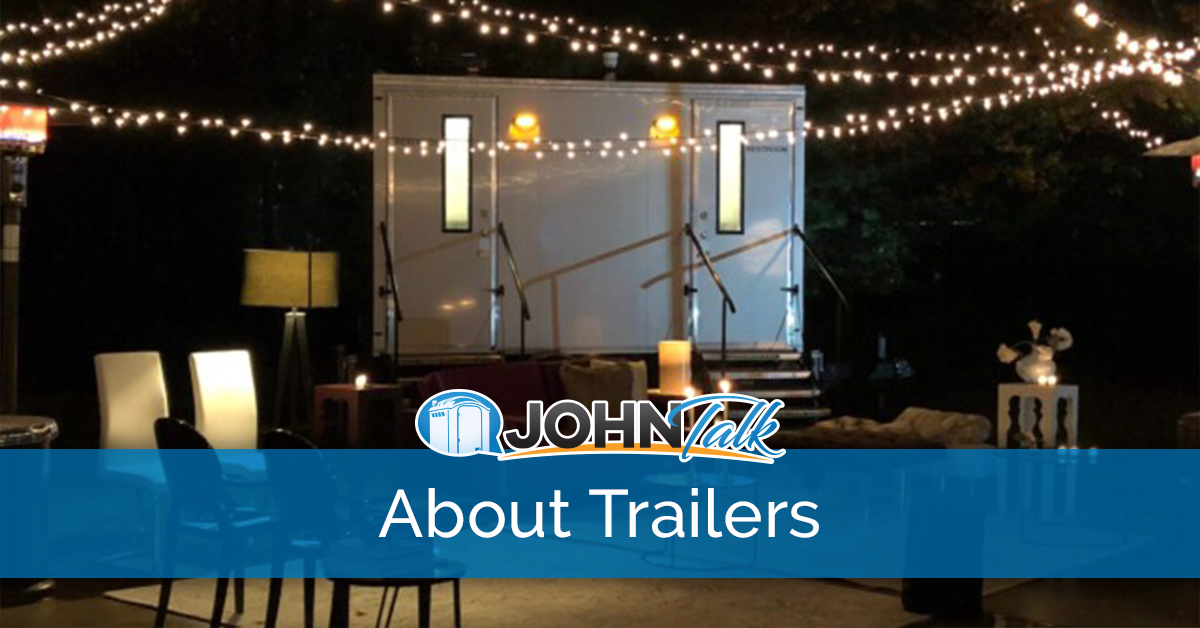
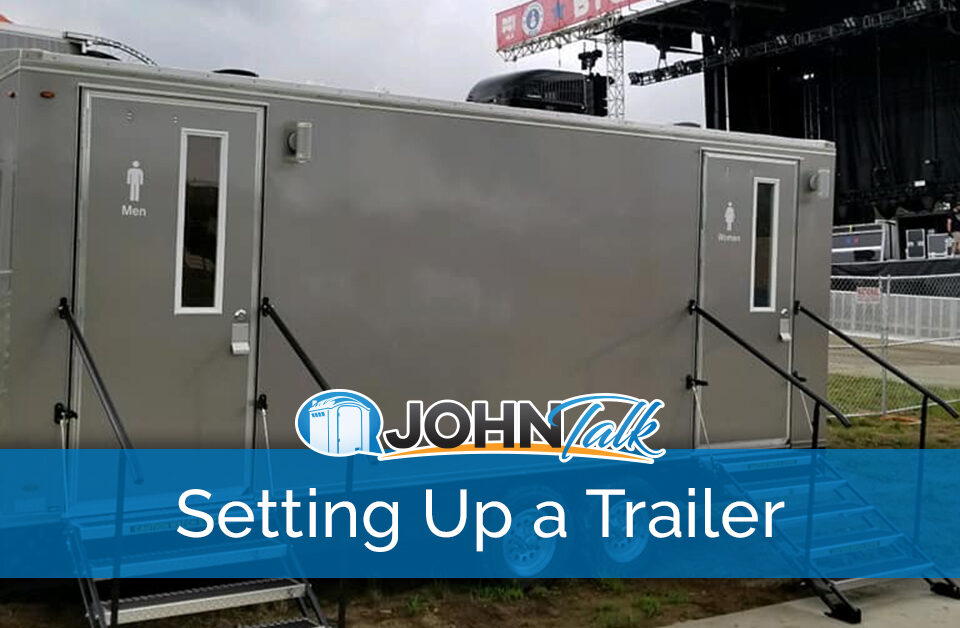
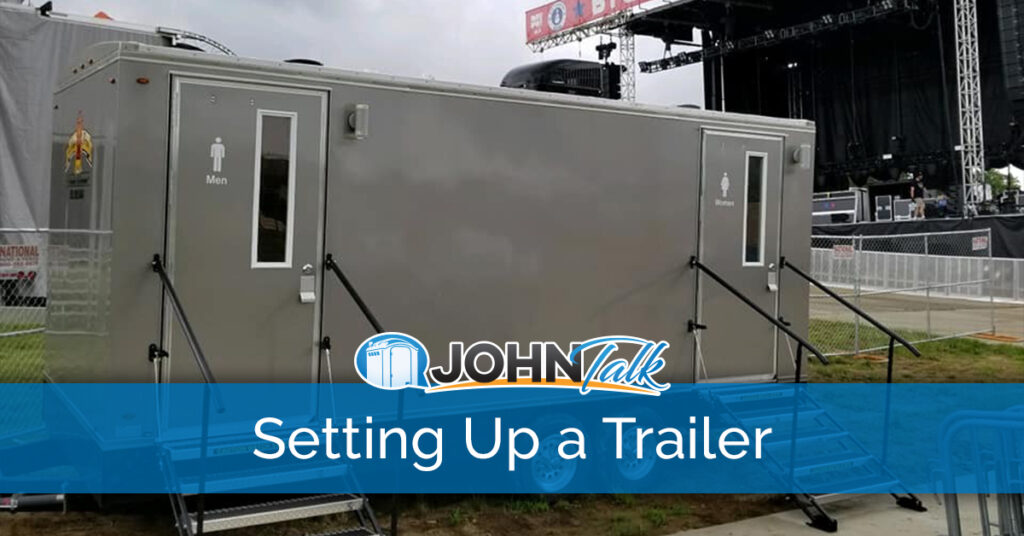
Photo courtesy Ameri-Can
Restroom trailers are a natural addition to any portable sanitation fleet. They let PROs serve a broader range of customers without overhauling their current setup. But choosing the right model can be challenging. Some styles are designed for multi-purpose use, while others cater to specific markets.
This guide breaks down the main types of portable restroom trailers and outlines the key features and functions to consider. You’ll also find practical tips for managing, marketing, and maintaining your mobile restroom fleet.
Types of Portable Restroom Trailers to Consider
There are several types of mobile restroom trailers, including standard, construction, and luxury. Each offers different exterior and interior styles, created for specific uses in the field. See how the following styles could fit into your lineup.
Standard Restroom Trailers
Standard restroom trailers are the workhorses of the portable sanitation industry. They offer easy-access layouts for faster cleanouts and efficient lighting that saves on power. Commercial-grade models cost less than luxury units but may not come with premium trailer amenities, like hot water, upgraded vanities, or upscale decor.
On the rental side, standard trailers stay busy year-round, covering everyday jobs and small to mid-sized events. That reliability makes them a popular choice, whether just starting out or expanding a fleet.
Portable Luxury Bathroom Trailers
Premium restroom trailers are built to impress. Private stalls, upgraded cabinetry, and elegant finishes create spaces that feel more like high-end hotel bathrooms than porta-potty trailers. The cost and customer expectations are higher, but so is your earning potential. PROs succeed with luxury rentals by understanding who their ideal customers are and choosing design elements that match client expectations.
Construction and Industrial Trailers
These restroom trailers are built for ongoing use in the field. Many have undercoated, heavy-duty frames that resist corrosion and spray-lined or polyethylene tanks that hold up through repeated cleanouts and hauls.
Construction trailers are a good fit in remote or rugged environments and areas where construction is booming. Easy servicing and dependable performance make them great for long-term rental contracts.
Specialty Bathroom Trailers
Specialty restroom trailers solve specific sanitation challenges at off-grid sites and multi-day events.
Here are a few specialty trailer solutions:
- Shower trailers: Multi-stall shower trailers and combo units provide hot water at construction sites, remote camps, and disaster relief zones.
- Handwashing trailers: Food events, public health sites, and emergency response bases use rows of sinks to manage sanitation for large groups quickly.
- Decontamination trailers: These units support emergency and industrial sites, providing negative air filtration and multi-zone layouts.
- Custom units: Beyond restrooms, PROs can add laundry, drug testing, or custom setups to help customers with compliance and sanitation year-round.
Accessible and ADA-Compliant Restroom Trailers
Accessible restroom trailers add features that make units safer and easier for guests with limited mobility. Fully ADA-compliant models meet every requirement under the Americans with Disabilities Act. Handicap-accessible or comfort units offer wider doors and stalls but may not meet every technical ADA standard.
Consider these flexible options:
- Pair event trailer rentals with accessible units: To meet accessibility needs, PROs often bundle a standard event trailer with an ADA-compliant or wheelchair-accessible toilet.
- Add a lift room to your trailer: Some manufacturers, like Ameri-Can, offer ADA Lift Rooms that lower to ground level for step-free, fully compliant access. This setup improves accessibility without reducing capacity.
7 Questions to Ask Before Buying a Mobile Restroom Trailer
Knowing what you’re looking for can save time and help you plan for a quick return on your investment.
Consider these questions before purchasing:
- What purpose will your toilet trailer serve? Choose a goal that describes your trailer’s role in your business, like attracting higher-end customers or increasing off-season revenue. Then, use it to guide your buying decisions and sales strategy.
- Who will rent or use the restroom trailer? Think of your ideal customer. Why do they rent, what do they expect, and who’s with them? Understanding your target market helps you select features and fixtures that match their needs.
- How many people will use the trailer at once? Estimate daily and peak usage to determine the number of stations and size of your fresh water and waste tanks. Matching trailer capacity to expected daily users can reduce long lines and overuse.
- Do you need more than toilets? See if there’s a market for combination, handwash, or shower trailers. Also, look over past and upcoming jobs where you could bundle porta-potties with a shower or sink unit to increase revenue.
- Will you use porta-potty trailers seasonally or year-round? Decide if you need to support customers during the off-season with a three-season or cold-weather package. Otherwise, plan to winterize and store the trailer between jobs.
- Do tow requirements affect your options? Check local regulations before buying. Drivers may need CDLs if the trailer’s gross vehicle weight rating (GVWR) is over 10,000 pounds or if the combined truck and trailer weight exceeds 26,000 pounds.
- What’s your restroom trailer budget? Know your cost of doing business. What can you invest now, how much extra can you afford to take on, and how quickly can you earn it back? Factor in ongoing expenses like insurance, training, maintenance, and upgrades.
Get the JohnTalk “ALL-ACCESS PASS” & become a member for FREE!
Benefits Include: Subscription to JohnTalk Digital & Print Newsletters • JohnTalk Vault In-Depth Content • Full Access to the JohnTalk Classifieds & Ask a PRO Forum
Comparing Portable Bathroom Trailers: What to Look For
Even small decisions could impact guest experience or operational efficiency when buying a restroom trailer. It’s important to know how construction quality affects long-term repair costs and which features allow you to rent at higher rates. Let’s walk through the factors affecting cost, usability, and ROI.
Trailer Size and Stations
A correctly sized unit can easily handle your average job’s daily users. Go too small and you’re turning down requests, supplementing with standard toilets, or getting complaints about long lines. With an oversized trailer, you may rent it for less than you want while paying more for fuel and maintenance.
Here’s how options differ:
- Small trailers (8 to 12 feet): Compact models offer two or three stations with axle weights of 3,500 to 7,000 pounds. Some are narrow enough to fit in residential driveways. Configurations include toilet and sink combos, multi-plex shower systems, and small decontamination units.
- Mid-size units (14 to 20 feet): This is a popular size range with a lot of options. Axle weights reach up to roughly 13,800 pounds. Standard units often have three to seven partitioned toilets with separate exterior doors for men and women. Styles include luxury models, combo units, and sink trailers.
- Large models (20-plus feet): These trailers include spacious luxury models and units with ADA-compliant lift rooms. Expect axle ratings from 13,800 pounds to over 20,000 pounds. This size range holds eight to 18 toilet stalls or a dozen or more showers.
If you’re unsure whether to go up or down in trailer size, think about your existing tow vehicles, driver experience, and customer locations. Smaller units are easy to maneuver in tight spots and faster to set up. Heavier models require stronger tow vehicles, more on-site leveling, and additional driver training and licensing.
Efficient Restroom Layout and Configuration
A trailer’s layout affects traffic flow, guest experiences, and servicing. Some models prioritize comfort and privacy, whereas others are built to move people in and out quickly. For example, placing all stations against one wall with partitions in between offers the quickest access. But adding floor-to-ceiling enclosures with doors gives trailers a luxurious feel. Likewise, models with individual sink and toilet stations provide the most privacy but increase setup and servicing time.
To increase bookings at your desired rate, choose a trailer layout that serves your customer’s purpose. For instance, bridal parties need vanity space to touch up hair and makeup, while families want private changing spaces for parents and children. If possible, check out different configurations in person. You can see the top trailer brands at the PSAI Show, WWETT Show and other industry tradeshows.
Durable Build Quality and Materials
High-grade construction materials can reduce maintenance and repair costs down the road.
When comparing build quality, look for:
- Water-resistant interiors: Non-wood options prevent mold and water damage. Consider seamless wall and ceiling options like fiberglass, composite, gel-coated, or fiberglass reinforced plastic (FRP). Units with solid trim, sealed joints, and minimal crevices or grout improve durability.
- Durable flooring: Single-piece linoleum and vinyl floors with non-slip finishes are durable and cost-efficient. Rubberized or spray-lined surfaces over marine-grade subfloors may hold up better in harsh conditions.
- Weather-resistant exteriors: One-piece, composite and fiberglass roof systems and exterior skins with no seams or minimal seams increase weather resilience. Look for corrosion-resistant materials, like aluminum or stainless steel fasteners and fiberglass, aluminum composite material (ACM), or gel-coated skins.
- Insulation: Quality fiberglass batting or foam core panels in the walls, ceiling, doors, and underfloor areas reduce condensation and improve HVAC efficiency.
- Heavy-duty framing: Non-wood structures with aluminum or steel frames resist water damage. Consider adding undercoating to frames and joists for frequent towing over rough roads.
Freshwater and Waste Tanks
Your trailer’s waste and freshwater tank systems directly affect durability, odor control, and service times. Size tanks according to your average rental duration and volume. But remember that most commercial trailers are not designed to haul full waste tanks over the road. Doing so could degrade the frame’s structural integrity and cause many other issues.
Here are a few tank construction types for restroom trailers:
- Roto-cast poly waste tanks: This one-piece, seamless molded polyethylene tank is the industry standard. It’s durable, lightweight, and easy to clean.
- Spray-lined tanks: Steel or aluminum tanks with spray-on polymer liners are designed for year-round or heavy-duty use, but they’re heavier and require frequent inspections for cracks.
- Polypropylene waste tanks: These tanks are used with luxury or specialty units because they handle higher water temperatures and are less likely to absorb odors. But they’re more expensive and harder to fix in the field.
If most of your rentals provide on-site water hookups, skipping onboard tanks can cut costs and weight. However, larger fresh and waste tanks offer more flexibility if you plan to serve multiple markets, like summer festivals, winter construction, or remote disaster relief.
Must-Have Restroom Trailer Features and Amenities
Modern bathroom trailers can match the comfort and appearance of indoor facilities. Even standard models include LED lighting, running water, and flush toilets. Upgrading amenities can improve customer satisfaction and long-term rental value. But extra costs add up fast.
If your budget is tight, start with affordable upgrades that protect your trailer from wear or simplify maintenance. Go for premium features when your target customers expect them or when the investment clearly increases rental revenue.
Consider these popular restroom trailer features:
- Bluetooth sound system: Luxury and event restroom trailers may include marine-grade speakers and Bluetooth audio inside and outside the unit.
- Climate control: Many modern trailers have rooftop air-conditioning units. Heating via wall heaters or heat strips is often optional.
- Built-in paper towel and trash dispensers: Wall-mounted dispensers and integrated bins cut clutter, prevent theft, and reduce damage during transport.
- Stainless steel urinal trough: These are ideal for high-volume event units because they resist corrosion and are easy to clean.
- Exterior water hookup: This low-cost upgrade lets techs rinse equipment or fill cleaning buckets, which is useful for job sites and large events.
- Electric flush toilets: Push-button operation offers a quieter, more comfortable guest experience but requires consistent electrical power.
These are only a few of the available options for your restroom trailer. Interior finishes like solid-surface vanities, porcelain toilets, and backlit mirrors are standard in many luxury models. You can also customize your unit by adding skylights or even a propane-fired furnace.
Climate Control and Utilities
Whether climate control is a “must have” or a “nice to have” depends on your region, clients, and seasonal schedule.
Consider how climate and utility packages can help you operate year-round:
- Winter and arctic packages: Include forced air or ducted furnaces with thermostats, plus wall, floor, and ceiling insulation for cozier spaces. Waste tanks may need insulation, electric heat pads, or de-icing systems, and insulated hoses protect water lines from freezing.
- Warm or tropical packages: Add higher-capacity air conditioning units, insulated ducts, reflective roof coatings, and extra vents to reduce heat buildup and protect interior finishes.
- Solar energy packages: Solar panels and deep-cycle batteries can power lights, pumps, and fans for short-term off-grid use, but can’t usually handle high-load services like AC or heating.
Mobile Restroom Trailer Manufacturers
While your customer base may differ, the quality of service from your trailer manufacturer or distributor should not. Research restroom trailer warranties and support options to ensure you’re covered if you need repairs or parts.
Look for companies that provide:
- A trusted support network of experts familiar with the trailer specifications
- Readily available parts for all restroom trailer types
- Phone support with real humans who can answer technical questions
- Conveniently located service and parts centers
How Much Do Restroom Trailers Cost?
Restroom trailer prices vary widely, depending on size, configuration, and features. Starting costs for entry-level two-stall units range from $25,000 to $45,000. Larger models and specialty units require more complex plumbing and electrical systems, labor, and materials, which increase the price.
Buying pre-owned can lower costs, but you must check for wear on tanks, flooring, and electrical components. U.S. buyers may still qualify for the Section 179 tax deduction on new and used commercial trailers.
Managing Trailer Rentals: What to Expect and Plan For
Construction, municipal projects, and events fuel demand in the current economy, but the market is competitive. You can fill a gap in your area or attract new customers by adding restroom trailer rentals.
Delivery, Setup, and On-Site Considerations
Some setup and service steps are similar between trailer and porta-potty rentals. However, restroom trailers have more moving parts and systems to check. Walk technicians and drivers through the setup process before they head out to a customer site.
Think about the following:
- Electrical hookups: Confirm power availability at customer sites before booking. A standard 110-volt outlet covers basic functions, like lighting and flushing. Premium amenities such as climate control could require a 20- to 50-amp service.
- Site condition: Check the site or ask for photos to ensure you can maneuver the trailer into place and level it correctly. Avoid plumbing and door alignment issues by leveling the unit side-to-side and front-to-back. Self-leveling hydraulic jacks make this step easier.
- Security: Consider securing units left in a public place for multi-day use. Trailer door locks or a basic camera system can deter problem-makers and give you peace of mind.
Maximizing Restroom Trailer Investments
Plan your marketing and sales strategies before buying a restroom trailer. Researching the market and knowing what’s in demand can help you choose the right model and drum up excitement for its arrival.
Consider these tips:
- Showcase trailer rentals at local events: Create an exhibit for local bridal expos or industry-related conventions. Highlight unique features and qualities with short videos and high-quality images.
- Adjust billing for long-term rentals: Use 28-day billing cycles for easier tracking and better price optimization when renting out restroom trailers for construction projects or disaster relief.
- Know when to upgrade restroom trailers: Pay attention to customer feedback and news on industry forums to decide which upgrades will increase the appeal of your trailers.
Servicing and Maintaining Restroom Trailers
Think of a restroom trailer as a small, mobile building. You’re not just maintaining a toilet or shower, you’re taking care of electrical, HVAC, and vehicle components, too. Develop a checklist for each element to ensure nothing gets overlooked after a rental or at the start of your peak season.
Protect your investment by following these best practices:
- Build an inventory of spare parts, including vent screens, toilet paper dispenser rods, door latch springs, and pump parts.
- In between rentals, peek under and inside cabinets for leaks or drips and monitor toilet seals and valves. Catching worn components early can prevent big problems.
- Winterize your restroom trailer if you operate in a cold climate, and consider secure storage options for reducing freeze damage during winter.
- Before attempting repairs, check your warranty. Some types of DIY fixes will void the manufacturer’s warranty.
Build Your Portable Restroom Trailer Fleet
Restroom trailers offer opportunities for companies of all sizes. Choosing the right style and amenities can help you break into high-paying markets and stay busy year-round. When buying a trailer, look beyond the upfront cost to see how build quality and upgrade options impact the unit’s longevity, maintenance and servicing costs, and rentability.
Looking to Take Your Portable Restroom Business to the NEXT LEVEL? Download our FREE Guide: “Your Guide to Operating A Portable Restroom Business.”
Thinking About GETTING INTO the Portable Restroom Industry? Download our FREE Guide: “Your Guide to Starting A Portable Restroom Business.”