

How a Pump Truck is Put Together and Operates
August 24, 2026
How Do You Talk with Customers About Damaged Inventory?
September 21, 2026

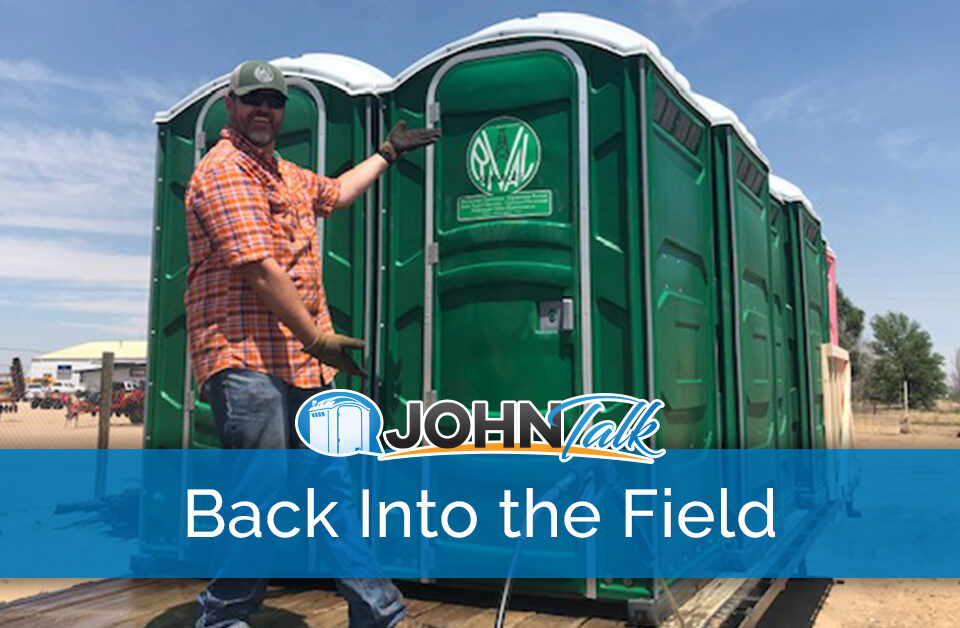
Photo courtesy Adrienne Barclay, Rival Services
Company culture can sound like one of those big-business terms that has little to do with running a portable sanitation company. But every business has a culture, whether the owner intentionally creates one or not.
It shows up in the way employees talk to one another, how problems are handled, whether people are willing to speak up and how well different parts of the operation work together. When the culture is strong, employees are more likely to understand what is expected of them and how their work affects everyone else.
Getting the best from people starts with clarity.
Make Sure Everyone Knows What Good Looks Like
Most employees want to do a good job, but that becomes difficult when expectations are unclear or constantly changing.
A driver needs to know what is expected when a unit is damaged or a customer requests something outside the normal route. Office staff need to understand what information the drivers need before they leave the yard. Yard employees need to know what condition equipment should be in before it goes out.
Those may sound like operational details, but they are also part of your culture. When everyone understands their responsibilities and how their work affects the next person, there is less room for frustration, finger-pointing and “that’s not my job” thinking.
Owners and managers also have to model the standards they expect. Employees pay attention to what gets corrected, what gets ignored and what gets recognized.
Give Employees a Voice
The people doing the work every day often see problems before management does. A driver may notice that a certain stop regularly causes delays. Someone in the yard may see an equipment issue developing. An office employee may notice that customers keep asking the same question.
If employees do not feel comfortable bringing those things up, useful information gets lost.
That doesn’t mean every suggestion has to become a new company policy. It means people should know they can call out an issue, suggest an improvement or admit a mistake without being immediately shut down.
Good communication also helps employees understand one another’s jobs. Cross-training, occasional team discussions or simply explaining why another department handles something a certain way can reduce the divide between the office, yard and route staff.
Get the JohnTalk “ALL-ACCESS PASS” & become a member for FREE!
Benefits Include: Subscription to JohnTalk Digital & Print Newsletters • JohnTalk Vault In-Depth Content • Full Access to the JohnTalk Classifieds & Ask a PRO Forum
Recognize What People Bring to the Team
Not every employee will be good at the same things. One may be excellent with customers. Another may be your best troubleshooter. Someone else may know how to organize a route or train a new employee better than anyone else.
Pay attention to those strengths.
Giving people opportunities to contribute in areas where they excel can make the business stronger while helping employees see that their work matters. Recognition can be simple, too. A comment of “You handled that customer situation really well” often means more than a generic “good job.”
Company culture is not built through one meeting or employee appreciation event. It develops through the way people are treated, how clearly expectations are communicated and whether employees feel like they are contributing to something bigger than their own daily tasks.
Get those pieces working together, and you are much more likely to get the best from the people on your team.
Looking to Take Your Portable Restroom Business to the NEXT LEVEL? Download our FREE Guide: “Your Guide to Operating A Portable Restroom Business.”
Thinking About GETTING INTO the Portable Restroom Industry? Download our FREE Guide: “Your Guide to Starting A Portable Restroom Business.”