

Company Culture: How Do You Foster the Synergies That Help You Get the Best from People?
September 7, 2026
Penny Wise, Dollar Foolish: When Saving Money Costs Your Business More
October 12, 2026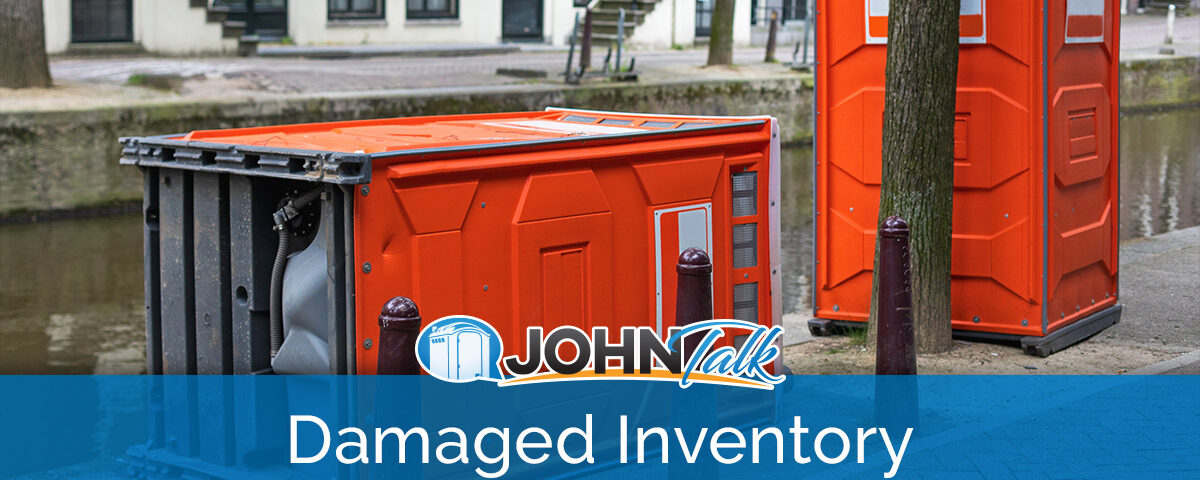
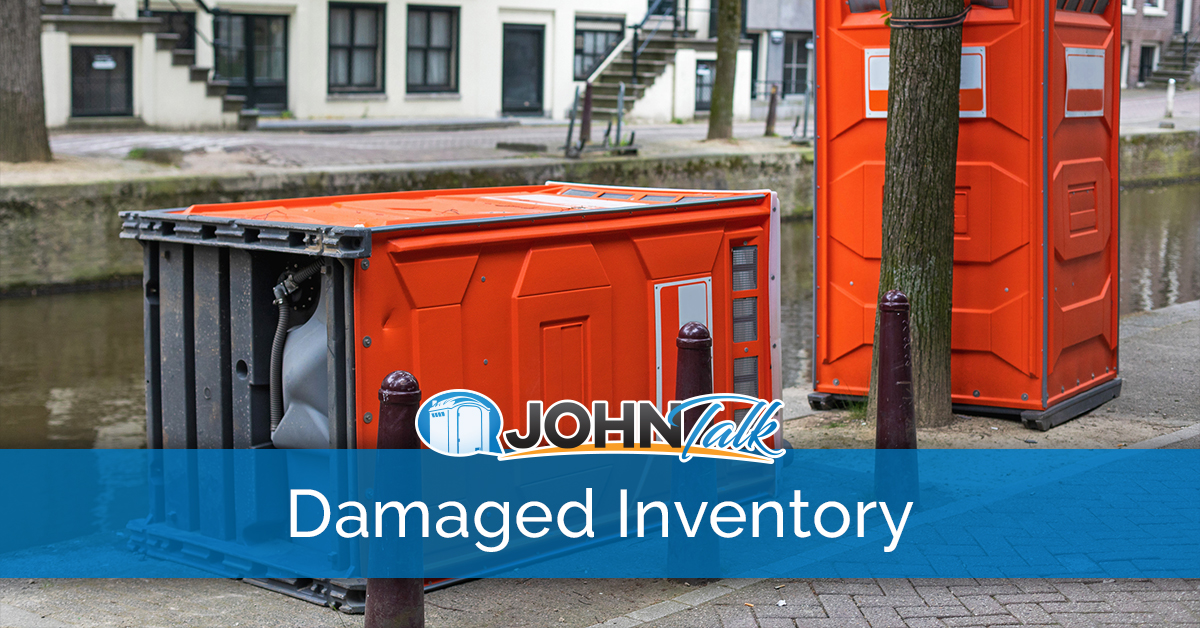
Damaged portable restrooms and equipment are an unfortunate part of the rental business. A unit may come back with a broken door, damaged panel, missing accessory or another problem that wasn’t there when it went out.
The repair itself may be relatively straightforward. The harder part can be talking with the customer about what happened and who is responsible for the cost. How you approach that conversation can make the difference between a quick resolution and a frustrating dispute.
Start with What You Know
Before contacting the customer, document the damage as thoroughly as possible. Take photos, identify the affected unit and record where and when the damage was discovered.
Then, keep the first conversation factual. There is an important difference between saying, “We found damage to one of the units at your site,” and, “You damaged our unit.”
Unless you know exactly what happened, avoid starting with an accusation. Explain what you found without immediately assigning blame. That gives you a better chance of getting useful information from the customer rather than putting them on the defensive.
Explain What Happens Next
Let the customer know what was found and what you are doing about it. You don’t necessarily need to have the final repair cost before making contact.
You might explain that the unit is being inspected and that you will follow up once you know whether it can be repaired, what parts are needed or whether replacement is necessary. This gives the customer early notice without forcing you to guess at costs before you have enough information.
Refer Back to Your Rental Agreement
Conversations about damage are easier when expectations were established before the unit was delivered.
Your rental agreement should explain customer responsibility for damaged equipment, along with any applicable damage waivers or related charges. When those policies are clear upfront, you aren’t introducing a new rule after something goes wrong. You’re referring back to terms the customer has already received.
Clear policies also help employees handle these situations consistently from one customer to the next.
Get the JohnTalk “ALL-ACCESS PASS” & become a member for FREE!
Benefits Include: Subscription to JohnTalk Digital & Print Newsletters • JohnTalk Vault In-Depth Content • Full Access to the JohnTalk Classifieds & Ask a PRO Forum
Give the Customer a Chance to Explain
A damaged unit doesn’t always tell the full story. Weather, vandalism, construction activity, unauthorized users or other circumstances may have played a role.
Allow the customer to explain what they know. You may learn something that changes how you handle the situation.
If responsibility is clear, explain the repair or replacement charge and provide supporting documentation. If something remains uncertain, gather more information rather than turning the conversation into an argument.
Protect the Equipment and the Relationship
Holding a customer responsible for legitimate damage doesn’t require an aggressive approach. A better process is a consistent one: document the condition of your inventory, establish expectations before delivery, communicate clearly when damage occurs and explain any charges with supporting information.
Handled well, the conversation can protect both your equipment and the customer relationship.
Looking to Take Your Portable Restroom Business to the NEXT LEVEL? Download our FREE Guide: “Your Guide to Operating A Portable Restroom Business.”
Thinking About GETTING INTO the Portable Restroom Industry? Download our FREE Guide: “Your Guide to Starting A Portable Restroom Business.”