
How Does a Vacuum Tank Work?
August 10, 2026
Company Culture: How Do You Foster the Synergies That Help You Get the Best from People?
September 7, 2026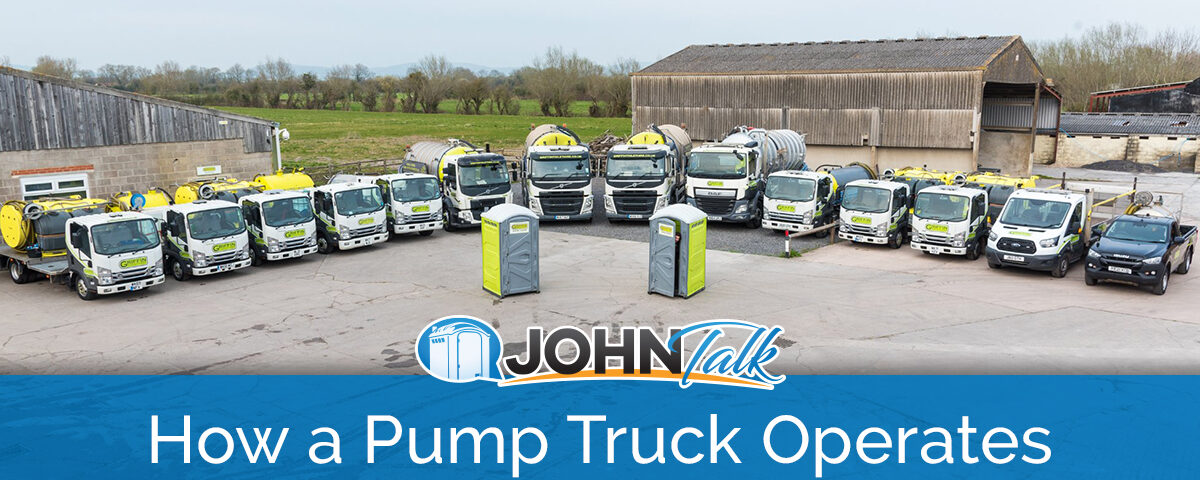
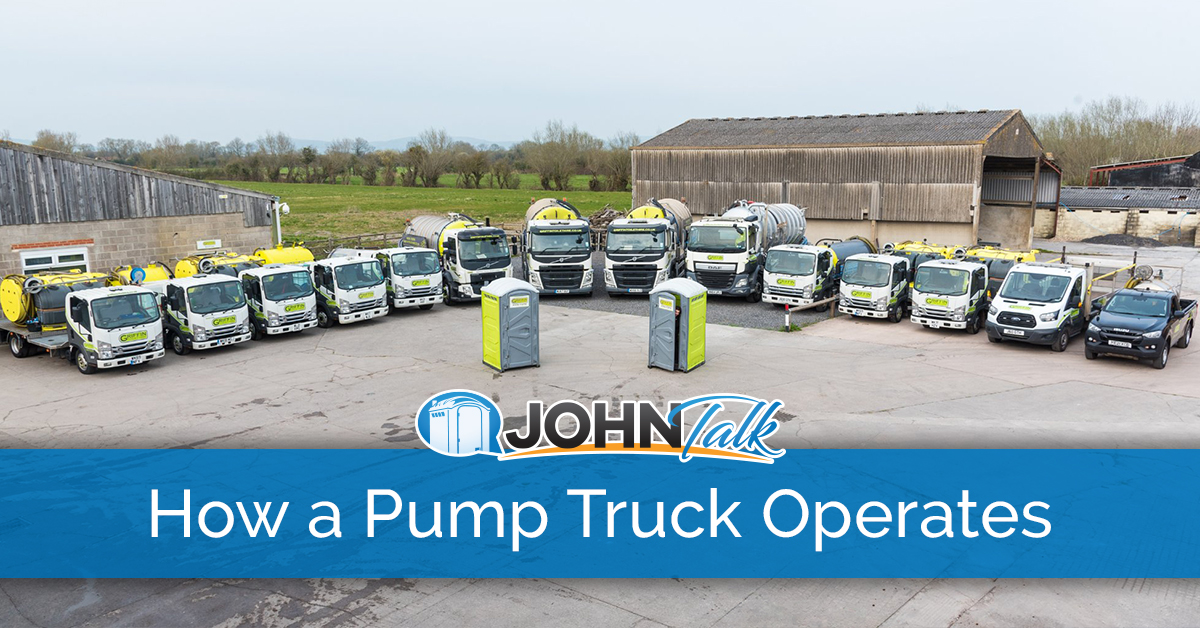
Photo courtesy Sarah Johnson, Griffin Toilet Hire
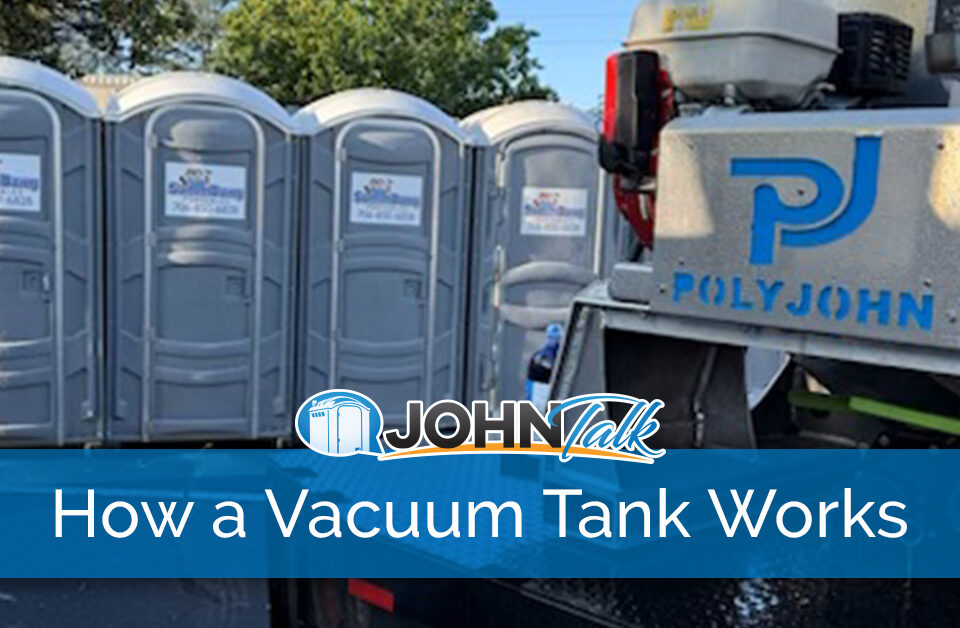
For a portable restroom operator, the pump truck is the center of every service route. It removes waste, carries it to an approved disposal facility and supplies the fresh water needed to clean and refresh units. Although designs vary, most trucks combine the same basic systems.
This article covers the makeup and operation of pump trucks that are at the heart of the portable restroom rental industry.
More Than a Tank on a Truck
Every pump truck starts with a chassis, the frame that supports the components of the rest of the vehicle, including the engine, transmission, suspension, brakes, axles and cab. The chassis must be matched to the size and loaded weight of the tank.
Mounted behind the cab is a tank that is usually divided into two compartments. The sealed waste compartment holds the material removed from toilet tanks. A freshwater compartment provides water for washing units and mixing fresh “blue.” Tank capacities vary and are selected based on business needs (routes, customers, disposal schedule, etc.). Our overview of different truck and tank sizes explains several common options.
The workstation keeps frequently used tools within easy reach. It may include the suction hose and reel, washdown hose, valves, gauges, pump controls, supply cabinets and tool storage. Some trucks also have a rear rack for transporting restrooms. For a broader look at available setups, compare the trucks used in the portable sanitation industry.
Get the JohnTalk “ALL-ACCESS PASS” & become a member for FREE!
Benefits Include: Subscription to JohnTalk Digital & Print Newsletters • JohnTalk Vault In-Depth Content • Full Access to the JohnTalk Classifieds & Ask a PRO Forum
How the Pumping System Works
On many trucks, a power takeoff (PTO) transfers power from the engine and transmission to the vacuum pump. The pump removes air from the sealed waste tank, creating lower pressure inside. Atmospheric pressure outside the tank then pushes waste through the suction hose and into the tank.
Several components help protect the system. A primary shutoff contains a float ball that rises when the waste compartment fills and restricts airflow. A secondary moisture trap provides another layer of protection before air reaches the pump. Relief valves protect against excessive vacuum or pressure, while gauges help the operator monitor conditions. Only air should reach the vacuum pump, as liquid can cause costly damage.
What Happens at a Service Stop?
After parking, the operator follows the manufacturer’s procedure to engage the PTO and place the pump in vacuum mode. The suction hose removes waste from the restroom and transfers it into the truck’s waste compartment. The operator then uses fresh water to wash the unit, adds new water and deodorizer, restocks supplies and checks for damage.
When the waste tank nears capacity, the driver takes the truck to an approved disposal facility. Waste is typically emptied through the discharge valve using gravity, although some systems provide pressure assistance when designed for it.
Know Your Truck
Before each route, inspect the pump oil, coupling, hoses, valves, gauges, shutoffs, tank levels and relief valves. Follow the manufacturer’s instructions because controls and procedures are not identical on every truck. Learning how your truck moves power, air, waste and water will help you operate confidently, spot pump problems sooner and keep your most important piece of equipment working reliably.
Looking to Take Your Portable Restroom Business to the NEXT LEVEL? Download our FREE Guide: “Your Guide to Operating A Portable Restroom Business.”
Thinking About GETTING INTO the Portable Restroom Industry? Download our FREE Guide: “Your Guide to Starting A Portable Restroom Business.”