

The PSAI Show: The Go-To Show for the Portable Sanitation Industry
November 17, 2025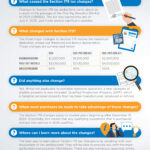
INFOGRAPHIC: Summarizing the Section 179 Tax Changes
November 24, 2025
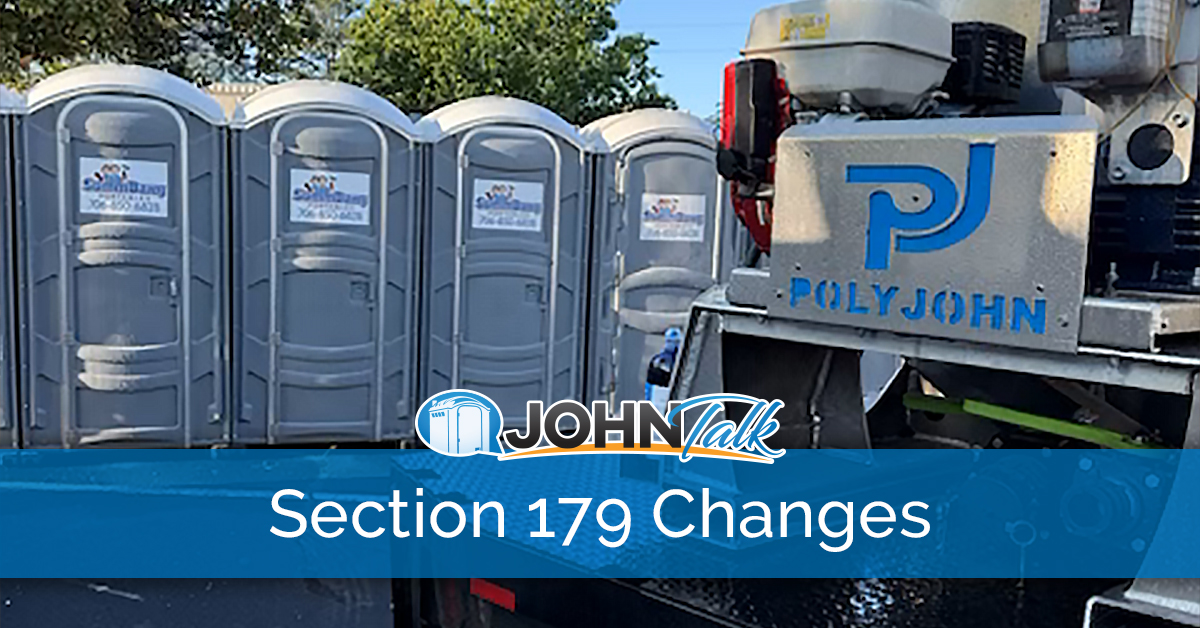
Photo courtesy PolyJohn
Section 179 can lower your tax bill substantially. Since its establishment in 1958, the tax incentive has changed significantly. The latest extensions and expansions occurred on July 4, 2025, with the passage of H.R. 1, the One Big Beautiful Bill Act (OBBBA).
Let’s review the updated Section 179 and bonus depreciation guidelines to see what’s changed and how they could affect your portable restroom business. However, keep in mind that state and federal rules may differ. Speak to your accountant or tax professional to clarify the specifics.
What is Section 179, and How Has It Changed in 2025?
Section 179 of the U.S. tax code is an immediate expense deduction. It allows you to deduct the cost of qualifying property in the year it was placed into service, rather than depreciating the asset over several years. The Tax Cuts and Jobs Act of 2017 (TCJA) significantly enhanced and expanded Section 179 tax incentives. These provisions were set to expire or phase out in 2025 when lawmakers enacted H.R. 1 (OBBBA).
For 2025, changes under OBBBA include:
- Made Section 179 and bonus depreciation permanent; limits adjust annually for inflation
- Doubled the Section 179 deduction limit from $1.22 million to $2.5 million
- Raised the phase-out threshold from $3.13 million to $4 million
- Increased the full phase-out cap from $4.27 million to $6.5 million
- Extended TCJA rules for allowing real-property improvements
- Restored 100% bonus depreciation from 60% in 2024 and 40% in 2025
A Look at Section 179 Updates
You can immediately write off qualifying equipment by electing Section 179 on IRS Form 4562. The property must be used more than 50% for business purposes and put into service on or after January 1, 2025, and by December 31, 2025.
Consider the following Section 179 tax deduction guidelines:
- Heavy trucks and equipment: Work vehicles and heavy equipment, like pumper trucks, may be fully expensed under Section 179.
- Heavier passenger vehicles: The limit for passenger models (6,000 pounds to 14,000 pounds) is $31,300, but definitions vary, so check with your tax advisor.
- Used equipment: You can deduct the cost of used property, as long as it’s new to you and purchased from a non-related party.
- Real property: In addition to restroom trailers, portable toilets, and haulers, qualifying assets include office technology, roof replacements, and security systems.
Get the JohnTalk “ALL-ACCESS PASS” & become a member for FREE!
Benefits Include: Subscription to JohnTalk Digital & Print Newsletters • JohnTalk Vault In-Depth Content • Full Access to the JohnTalk Classifieds & Ask a PRO Forum
Section 179 Tax Benefits for PROs
Portable restroom operators can still take advantage of the tax benefits of purchasing before the end of 2025. Think of it this way — every dollar deducted under Section 179 reduces your taxable income by a dollar. And you don’t need to pay up front to qualify for Section 179. Financing new or used portable restrooms, trucks, and trailers can keep more money in your pocket the first year, allowing you to grow your business and pay off loans earlier.
Use Section 179 Tax Incentives to Optimize Investments
The 2025 updates to Section 179 and bonus depreciation made these tax advantages permanent, giving PROs confidence to plan future purchases. Whether you’re adding more toilets or upgrading your shop’s HVAC system, these deductions can help offset taxable income and strengthen cash flow.
Looking to Take Your Portable Restroom Business to the NEXT LEVEL? Download our FREE Guide: “Your Guide to Operating A Portable Restroom Business.”
Thinking About GETTING INTO the Portable Restroom Industry? Download our FREE Guide: “Your Guide to Starting A Portable Restroom Business.”