


Winterizing Restroom Trailers for Storage
January 12, 2026
INFOGRAPHIC: Trailer Hauling: Dos & Don’ts
January 19, 2026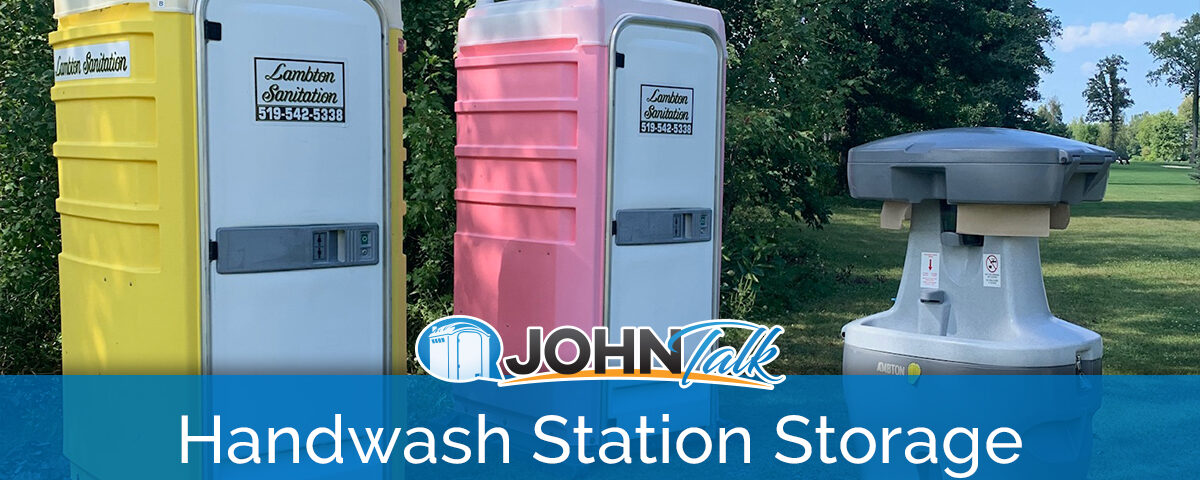
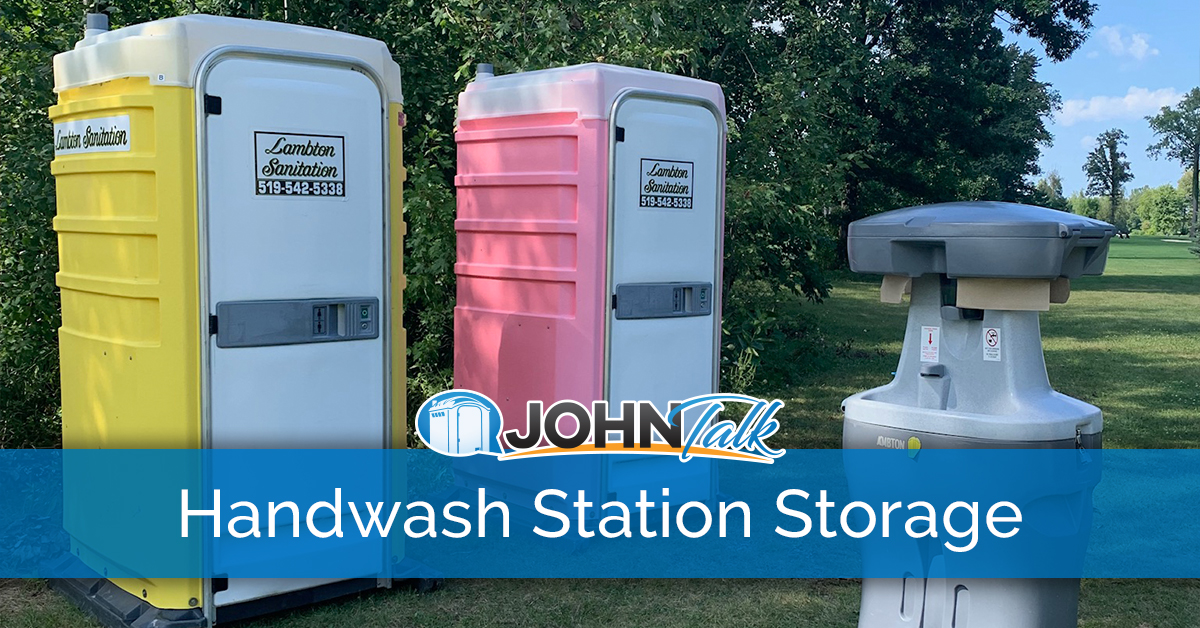
Photo courtesy Clint Schenk, Lambton Sanitation
Mold, algae, and grime build up or harden while portable sinks sit in storage. Even a decent-looking unit can develop a strong odor if not sanitized. When storing handwash stations in unheated areas, low points can freeze, leading to fittings breaking and lines leaking. Taking the proper actions can help PROs quickly store and recommission stations. Here’s a step-by-step guide for preparing mobile sinks for storage.
1. Remove Consumables and Inspect Sink Stations
Empty paper towels from handwashing units to ward off pests. Then, slide the soap dispensers off the mounting plates, replace the lids, and store them separately at the appropriate temperatures. Otherwise, soap dispensers can leak, gel, or crack housings.
Look over handwash stations for mold or build-up in basins or behind doors, and inspect hoses for cracks. Make sure drain and fill plugs fit snugly, and replace worn O-rings or corroded clamps.
2. Clean, Drain, and Sanitize Handwashing Units
Use a mild cleaning solution to remove grime in sink basins and on exteriors. Then, unscrew the freshwater drain plug and gray water hose cap to remove liquid from freshwater and gray water tanks. After draining, gently tip or rock units back and forth to move any remaining liquid.
Flush tanks and lines using a chlorine and water solution. Pump the foot pedal to push it through the lines. This step prevents slime and odor from occurring during storage.
3. Purge Lines and Winterize Mobile Sinks (if needed)
After the sanitizer circulates, drain the tanks again. Keep end caps and drains open while pumping the foot pedals to remove all liquid from the lines, valves, and pumps. Follow up with a final rinse to reduce the chlorine smell. Cap or bag the hose ends after finishing each unit. Leave doors or lids cracked open so the interior can dry.
If storing in areas where temperatures will drop below freezing, take additional measures. Follow similar steps for winterizing portable sinks for year-round use. Options include blowing out lines with regulated air pressure to remove all moisture, adding biosafe anti-freeze products to low points where water sits, or pumping it into plumbing, pipes, and fittings.
Get the JohnTalk “ALL-ACCESS PASS” & become a member for FREE!
Benefits Include: Subscription to JohnTalk Digital & Print Newsletters • JohnTalk Vault In-Depth Content • Full Access to the JohnTalk Classifieds & Ask a PRO Forum
4. Store Portable Sinks and Accessories
Move handwash stations to a secure storage location. When positioning sinks, make sure the units allow drainage from the basins so moisture doesn’t build up, freeze, and form cracks. If you ramp up operations gradually in the spring, consider separating construction and event stations for quicker access. You can organize them in asset or inventory management software and tag units by location, segment, feature, or price.
Follow best practices and winterization tips if storing handwash stations outdoors or in freezing temperatures. You may need to protect units from blowing wind and debris, including securing components so they don’t snap off hinges or break apart.
Properly Prepare Handwash Stations for Storage
Whether storing sinks seasonally or after use, taking the right steps can help you maintain, organize, and track units. In sub-zero temperatures, storage may be the better solution when factoring in the cost of bio-safe antifreeze. With winter sanitizer solutions that resist freezing, PROs can offer customers an alternate option and store handwashing stations during cold weather.
Looking to Take Your Portable Restroom Business to the NEXT LEVEL? Download our FREE Guide: “Your Guide to Operating A Portable Restroom Business.”
Thinking About GETTING INTO the Portable Restroom Industry? Download our FREE Guide: “Your Guide to Starting A Portable Restroom Business.”




1 Comment
Buenas tardes, estamos interesados en recibir información de los baños portátiles. Muchas gracias cordiales. Saludos Sergio