
INFOGRAPHIC: Considerations for Configuring Your Power Washer Setup
September 29, 2025
The Benefits of Occasionally Going Back Into the Field with Your Team
October 13, 2025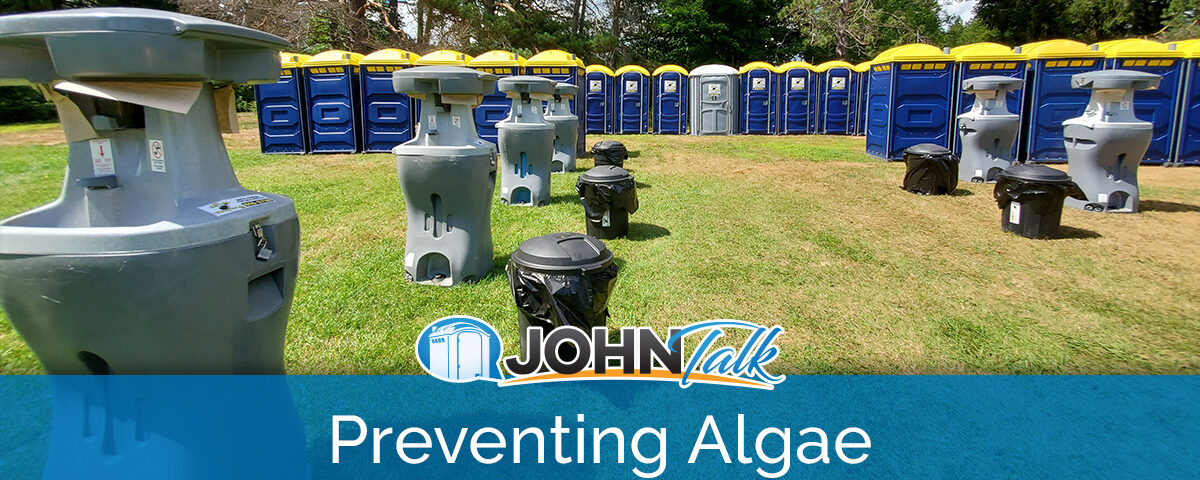
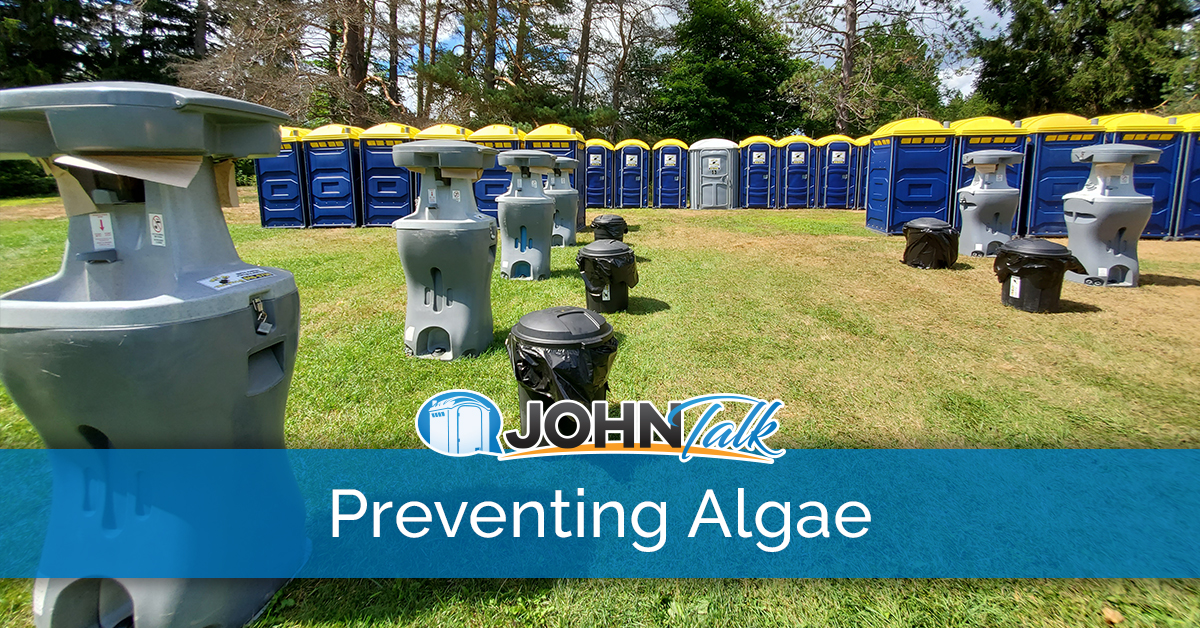
Photo courtesy Katherine Armstrong, Call of the Wild Sanitation
A few spots of algae inside freshwater tanks can grow into a line-clogging mess if not handled quickly. It only takes a bit of sunlight for algae to persist, causing unsightly stains. A multi-step approach to preventing algae growth in your tanks saves time and labor in the long run. Let’s look at your options to stop algae from starting and what to do if you see spores.
Why Algae Grows in Tanks
Algae spores exist everywhere in nature, including the air. It reproduces fast by absorbing light, which allows the algae to convert carbon dioxide and water into food. Algae growth increases if the water is naturally higher in certain nutrients, like phosphate or nitrate. Without continuous water circulation, algae blooms and pH levels rise.
Common green algae typically grows in water tanks, which isn’t as hazardous as the toxin-producing blooms in the news. Still, spores can cause allergic reactions and stomach issues. Once growth starts, getting rid of algae becomes a huge task.
Eliminate Sunlight to Stop Algae Before It Starts
Keep algae out of your water tank by eliminating sunlight and preventing spores from entering. Consider adding a tank storage cover to stop sunlight. A fully opaque or UV-resistant covering blocks light while still allowing you to monitor water levels in an extra tank.
Another option is to paint the outside of your water tank with a coat of UV-resistant paint. However, you must prepare the surface so the paint will adhere, and you may have to repaint seasonally depending on your climate. This method also eliminates your visibility. Remember to check valves and covers to ensure a snug fit. As fittings age, sunlight, rainwater, and spores find their way inside.
Choose Holding Tanks Designed to Discourage Surface Algae
When buying freshwater tanks, consider the construction method. Polyethylene plastic tanks made by the rotational molding process have fewer crevices and parts for algae to cling to. Pairing smooth-walled water tanks with preventative methods can prevent algae growth from becoming an ongoing battle. Units with seams or joints can be harder to keep clean because algae colonize in hard-to-reach spots.
Get the JohnTalk “ALL-ACCESS PASS” & become a member for FREE!
Benefits Include: Subscription to JohnTalk Digital & Print Newsletters • JohnTalk Vault In-Depth Content • Full Access to the JohnTalk Classifieds & Ask a PRO Forum
Prevent Algae Growth in Tanks
The best ways to prevent or stop algae from growing in your tanks are:
- Chlorine tabs: The easiest solution for preventing algae growth in your freshwater tanks is using chlorination tabs. These are pre-measured, slow-dissolving doses designed to reduce algae and kill bacteria in freshwater tanks.
- Bleach: If you’re having algae issues in your portable restroom tanks or standalone waste tanks, about 1.2 to 2 ounces of 5% to 7% Sodium Hypochlorite per 100 gallons in restroom tanks can reduce algae growth. But too much bleach can give off an unpleasant odor.
Alternatives like zinc and copper sulfate are less helpful for portable restroom owners. Zinc is not as effective as bleach or chlorine tablets. Copper sulfate is a proven algaecide, but it can stain tanks, kill vegetation, and cause issues at dump stations.
Clean Tanks to Remove Algae
Eliminate spores from tanks by removing all old water and thoroughly scrubbing it out with soapy water. You can use an extendable brush and power washer to dislodge algae and tough stains. It may take a couple of rounds to remove all algae and rinse the cleaning solution completely.
Good Routines Reduce Algae Growth
Preventing algae growth in tanks keeps them cleaner longer. Get rid of algae by choosing single-molded units, putting them in shady areas or using UV covers, and adding chlorinated tablets weekly. Combined with your sanitation maintenance checklist, these methods will help keep spores to a minimum.
Looking to Take Your Portable Restroom Business to the NEXT LEVEL? Download our FREE Guide: “Your Guide to Operating A Portable Restroom Business.”
Thinking About GETTING INTO the Portable Restroom Industry? Download our FREE Guide: “Your Guide to Starting A Portable Restroom Business.”